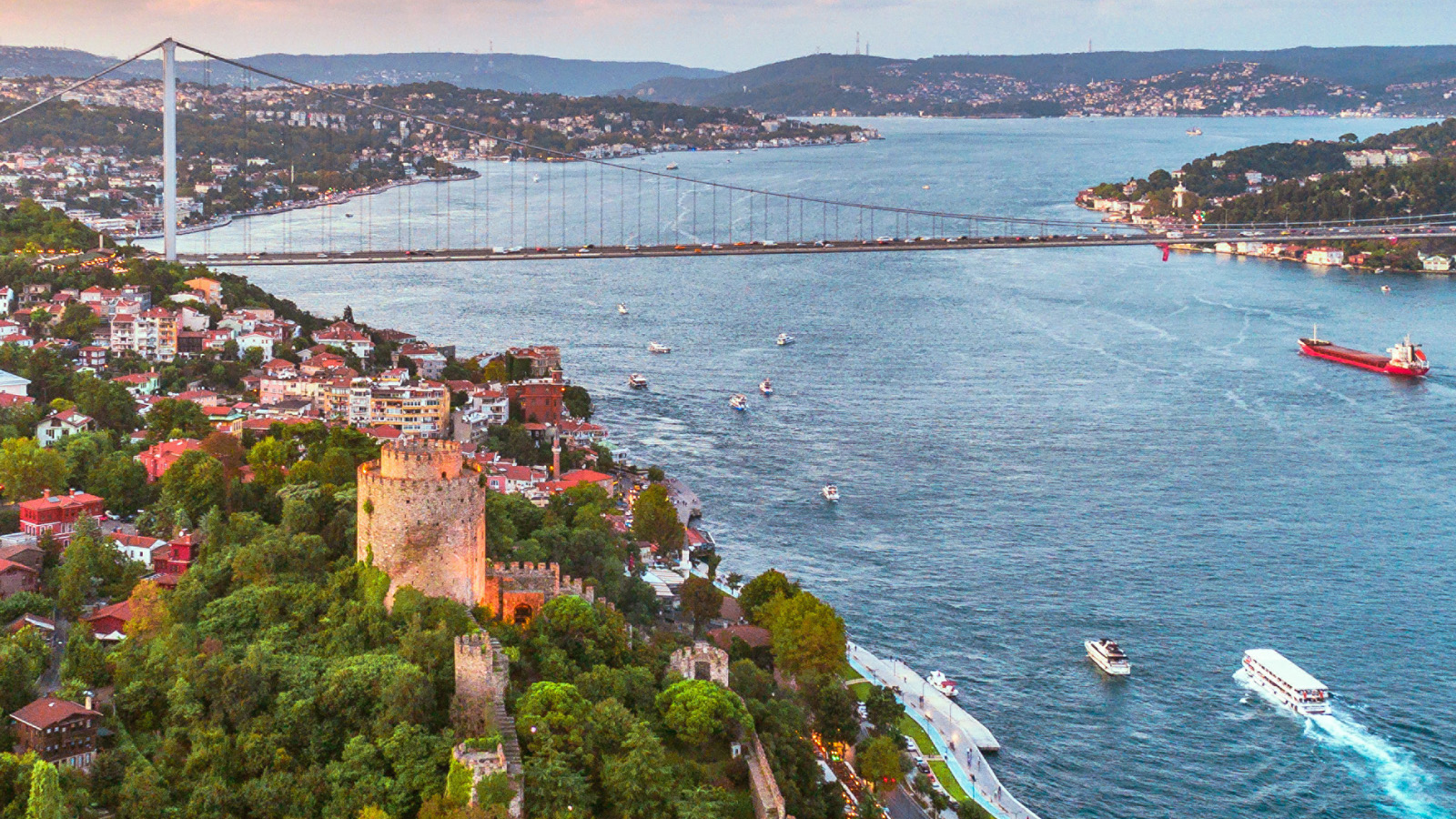
Landing in Istanbul for the first time can feel like stepping into a beautiful, chaotic dream. The trick is to not try to see everything. Two well planned days give you the greatest hits, the history, the water and the skyline, without the burnout. Here is a realistic hour by hour plan, plus the practical bits that trip up first-timers.
Before you go
Most nationalities need an e-Visa, so apply online at evisa.gov.tr a few days before you fly and save the confirmation. Sort a travel eSIM (Airalo and similar apps work well) so you land connected. Turkey uses the lira, but cards are widely accepted; bring a little cash for small vendors and tips. Pack comfortable shoes, because the old city is all hills and cobblestones, and something to cover shoulders and knees for the mosques.
Getting in and getting oriented
From Istanbul Airport (IST), the M11 Metro is the fast, cheap way in, or take a direct Havaist bus toward Taksim or Sultanahmet. Buy an Istanbulkart at the airport for around 130 TRY including some credit, and tap it for every metro, tram, bus and ferry from here on. Base yourself in Sultanahmet if history is the priority, or Karakoy and Beyoglu for energy and nightlife. Drop your bags and get walking.
Day 1: the historic peninsula
Start early at Hagia Sophia, then the Blue Mosque directly across the square, both free to enter though Hagia Sophia's upper gallery now carries a fee for tourists (around 25 euros). Walk to Topkapi Palace (roughly 40 euros with the Harem) and the atmospheric Basilica Cistern (about 30 euros, buy online to skip the line). Break for lunch near the Grand Bazaar, lose an hour in its 4,000 shops, and finish with a sunset simit by the Galata Bridge. Everything here is within a fifteen minute walk.
Day 2: water and skyline
Give the morning to the Bosphorus. A short public ferry from Eminonu costs a few lira on your Istanbulkart, or take a longer sightseeing cruise up toward the Black Sea. In the afternoon, cross to Beyoglu: ride the nostalgic red tram down Istiklal Street, climb the Galata Tower for the best panorama in the city (around 30 euros), and wander the cafes of Karakoy. If you have the legs, hop a ferry to Kadikoy on the Asian side for dinner where the locals eat.
Scams and etiquette to know
A few honest heads-up. Politely wave off the friendly stranger who wants to take you to his cousin's carpet shop, and the shoe-shiner who drops his brush in front of you. Always check a taxi is running the meter, or just use the BiTaksi app. In mosques, dress modestly, remove your shoes, and avoid visiting during the five daily prayer times. Tipping around 10 percent in restaurants is normal and appreciated.
If you are visiting three or more paid museums, the Istanbul Museum Pass (around 105 euros for five days) can save money and, more importantly, time in line. Book Hagia Sophia's gallery, Topkapi and the Basilica Cistern online in advance; the queues in peak season are long and the tickets are timed.
Frequently asked questions
Is two days enough in Istanbul?
It is enough for the essential sights and one Bosphorus trip. Three to four days lets you slow down, cross to the Asian side properly and explore neighbourhoods like Balat and Kadikoy without rushing.
What is an Istanbulkart and do I need one?
It is a rechargeable transit card for metros, trams, buses and ferries, and yes, get one. Buy it at the airport or any station for around 130 TRY with credit; it is far cheaper and easier than paying per ride, and one card can tap for a group.
How much are the main attractions?
As a rough 2026 guide: Hagia Sophia gallery around 25 euros, Topkapi Palace about 40 euros with the Harem, Basilica Cistern around 30 euros, Galata Tower around 30 euros. The mosques themselves are free. A Museum Pass can bundle several and skip queues.
Where should I stay for a first visit?
Sultanahmet keeps the major sights on foot, while Beyoglu puts you closer to food and nightlife.