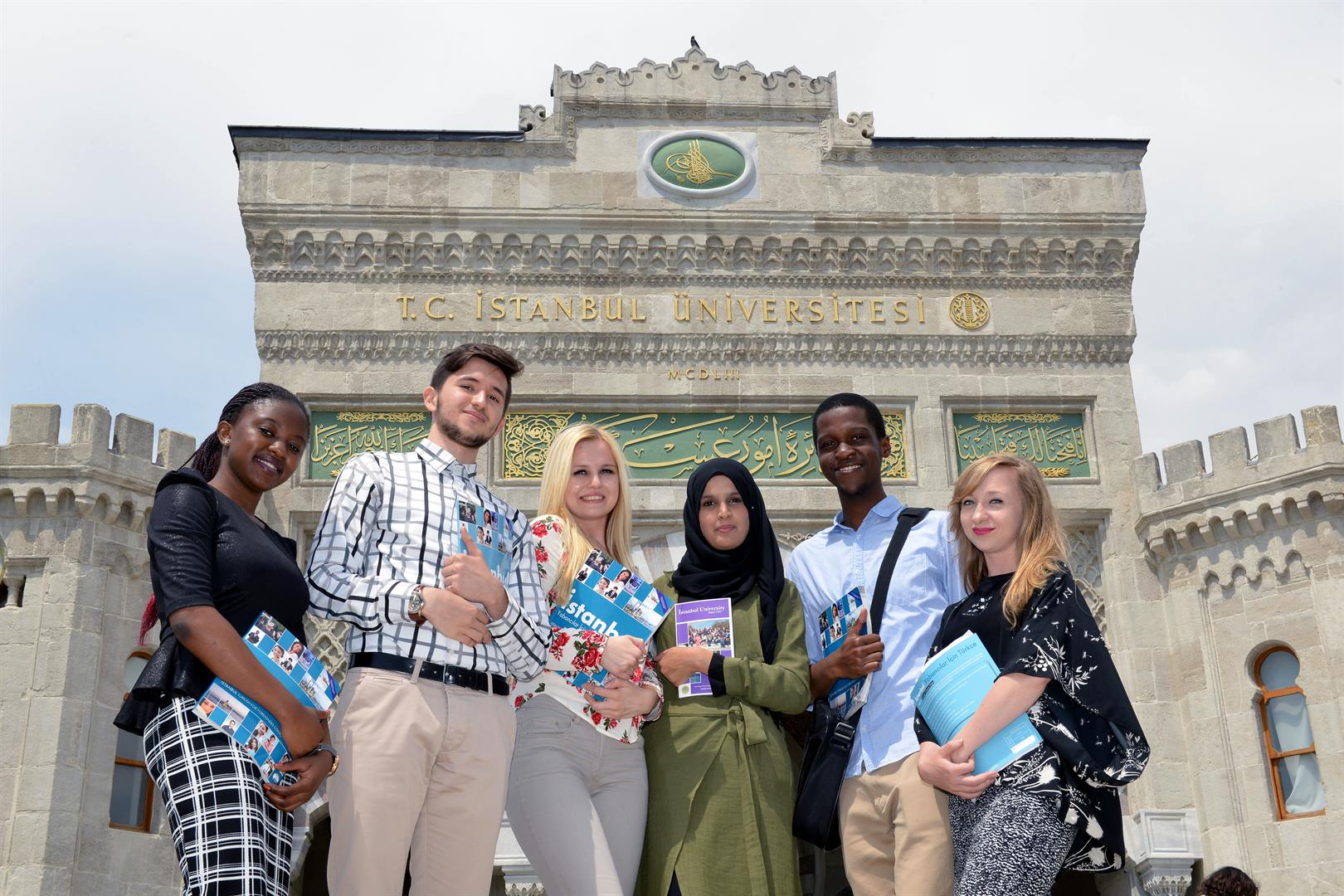
Here is the honest headline: Istanbul is one of the most affordable major cities in Europe for a student, and with a little planning you can live well here without stress. This is not a skip-lunch-to-save-money guide. It is a real breakdown of what a month actually costs, where your money goes, and the specific cards, apps and habits that keep it low.
What a month actually costs
Every student lives differently, but here is a realistic monthly picture for 2026. A careful student can get by on the lower end; add regular nights out and travel and you land at the top.
Shared flat / room (rent): 120 - 400 euros
Groceries and cooking: 100 - 180 euros
Transport (student Istanbulkart): 10 - 20 euros
Phone and mobile data: 8 - 15 euros
Eating out and coffee: 60 - 150 euros
Nightlife and fun: 50 - 150 euros
Realistic monthly total: 350 - 900 euros
Figures are indicative 2026 ranges and shift with the exchange rate and your neighbourhood. Government (KYK) dorms and deep-local areas sit below these numbers; central private studios sit above.
Rent: where you live decides everything
Rent is your biggest lever. A room in a shared flat is the norm for exchange students and starts around 120-260 euros a month, while a private studio in a central area can run 400 euros or more. Living slightly out from the tourist core, in areas like Avcilar, Beylikduzu or across on the Asian side, cuts rent noticeably, and the metro brings you back in cheaply. The cheapest option of all is a government KYK dorm, though places are limited and fill early.
Getting the student discounts
Student Istanbulkart.
The single best money-saver in the city. A discounted student transit card (mavi kart) cuts fares across every metro, tram, bus, ferry and funicular to a fraction of the standard price, which adds up enormously over a semester. Apply through the Istanbulkart app or website with your student number once you are enrolled.
Museum Pass and ISIC.
Many museums and historic sites offer reduced or free entry for students, and an ISIC international student card unlocks extra discounts at shops, cafes and attractions across the city. Always ask if there is a student discount; it exists more often than you think.
Eating well for almost nothing
Food is where Istanbul spoils you. Cook a few times a week from local markets and neighbourhood grocers (far cheaper than the big supermarkets) and your grocery bill stays tiny. When you do eat out, lean on the street classics: a simit is a handful of lira, a balik ekmek (fish sandwich) by the Galata Bridge or a doner runs a few euros, and a plate at a local esnaf lokantasi (tradesman's canteen) fills you for pocket change. University cafeterias are cheaper still.
The best free things to do
Some of Istanbul's finest experiences cost nothing. Ride the public ferry across the Bosphorus for the price of a bus fare and get the same view as a paid cruise. Walk the colourful streets of Balat, watch the sunset from a park in Uskudar, wander the Grand Bazaar without buying, and visit the free mosques. The city rewards slow, aimless exploration more than any ticketed attraction.
Money traps to avoid
A few things quietly drain a student budget. Airport taxis instead of the metro, currency exchange at the airport rather than in the city, tourist-strip restaurants right next to the big sights, and dynamic currency conversion (always pay in lira, not your home currency, when a card machine asks). Skip these and you keep hundreds of lira a month in your pocket.
Prioritise experiences over things. Istanbul's real magic, a simit by the water, a ferry across the strait at sunset, a cay with new friends, is often free or nearly so. Open a local bank account or use a low-fee travel card to dodge ATM charges, and your money will stretch much further than the exchange rate suggests.
Frequently asked questions
How much do students need per month in Istanbul?
A realistic range is roughly 350-900 euros depending on rent, how often you eat out and how much you travel. Careful students in a shared flat or dorm land near the bottom of that.
Is public transport cheaper for students?
Yes, and it is a big saving. A student Istanbulkart (mavi kart) gives heavily discounted fares across metros, trams, buses and ferries. Apply through the Istanbulkart app with your student number once enrolled.
What's the cheapest way to eat well?
Shop at local markets, cook a few meals a week, and use university cafeterias. When eating out, stick to street food and esnaf lokantasi canteens: simit, doner and balik ekmek are delicious and cost very little.
Which areas are cheapest to live in?
Areas outside the tourist core, such as Avcilar, Beylikduzu and much of the Asian side, offer lower rents while staying connected by metro. Government KYK dorms are the cheapest of all if you can get a place.