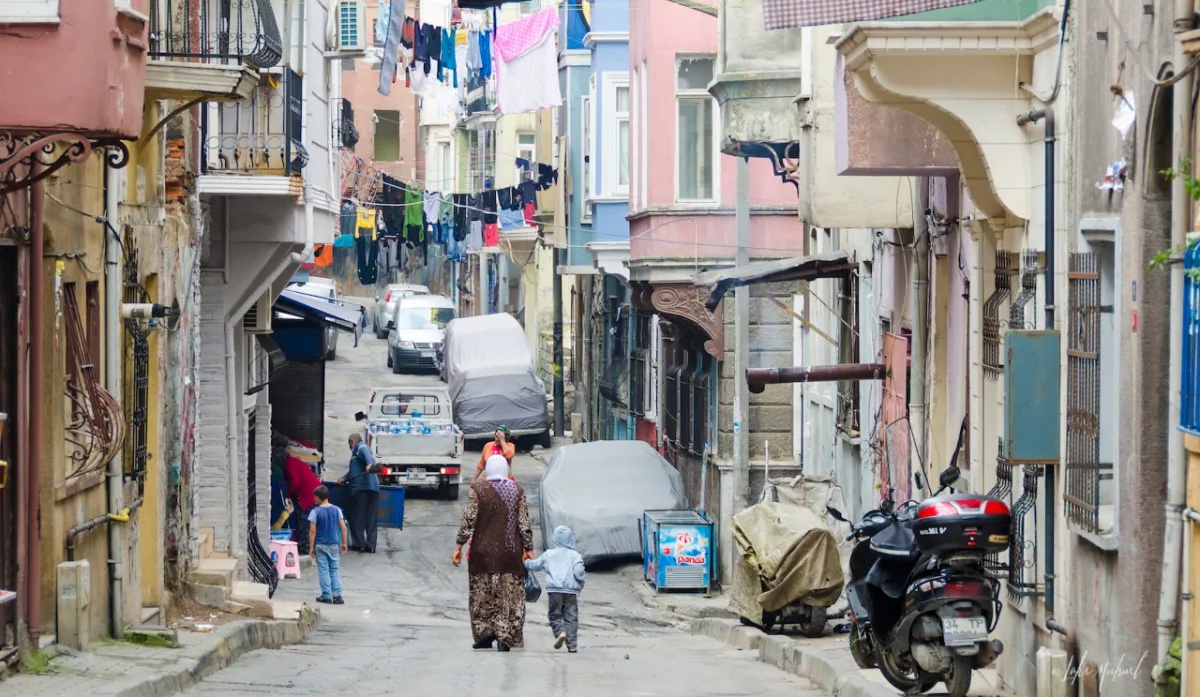
Istanbul is, by big-city standards, a safe place to visit: millions of tourists move through it every year without incident, and the main visitor areas are busy and well-lit late into the night. But like every megacity, it has neighbourhoods where you simply have no reason to be, especially after dark. Knowing where they are is not paranoia; it's the same street sense locals use.
The short version
Stay within the classic visitor and nightlife districts, Sultanahmet, Beyoglu, Besiktas, Kadikoy, Karakoy, and you will almost certainly have zero problems. The areas below are not on any tourist route, so avoiding them mostly means not wandering blindly with a dead phone.
Areas to skip, especially after dark
Tarlabasi.
The one every local will warn you about first, and it sits deceptively close to Taksim Square, only a few hundred meters away. By day it's a poor but functioning neighbourhood; after early evening, the narrow, poorly lit streets carry real risk of theft. There is nothing there for a visitor, so simply don't drift downhill from Taksim in that direction at night.
Aksaray at night.
Fine and busy by day, but after dark parts of it attract scams aimed at tourists and pickpocketing. If your hotel is nearby, stick to the main lit avenues.
Kasimpasa side streets.
A working-class pocket of Beyoglu with a reputation for petty theft and hustles. The main roads are fine; the point is not to shortcut through unlit backstreets late at night.
Far outskirts: Esenyurt, Sultanbeyli, Gaziosmanpasa, Kustepe.
These districts sit far from anything a visitor would see and occasionally make the news for street crime. You would have to try quite hard to end up in them by accident, which is exactly the point: there's no reason to.
The risks that actually affect visitors
Honestly, the things most likely to cost you money in Istanbul are not dangerous neighbourhoods. They're the classic tourist hustles in the busiest areas: pickpockets in the Grand Bazaar crush, the friendly stranger steering you to an overpriced bar or his cousin's shop, unmetered taxis, and drink-spiking setups aimed at solo male tourists invited to a club by new best friends. A healthy no-thank-you reflex beats any neighbourhood map.
Night-out safety, the practical version
Use BiTaksi or Uber rather than street-hailing cabs late at night, check the plate matches the app, and split rides with your group. Keep your phone charged, keep an eye on your drink like you would in any city, and stick to the busy, lit streets when walking between venues in Beyoglu. That's genuinely the entire briefing most nights need.
The single best safety habit in Istanbul costs nothing: know your route home before you go out. Decide in advance whether it's a night bus, a taxi app or a friend's sofa, keep enough battery to make it happen, and the rest of the night takes care of itself.
Frequently asked questions
Is Istanbul safe for tourists?
Yes, by global big-city standards. The main visitor areas, Sultanahmet, Beyoglu, Besiktas, Kadikoy, are busy and well-lit into the early hours. Most visitor problems are petty scams and pickpocketing in crowded spots, not violent crime.
Which areas should I avoid in Istanbul?
Tarlabasi after dark is the main one near the center, plus Aksaray's side streets at night. Outlying districts like Esenyurt, Sultanbeyli and Gaziosmanpasa are far from anything touristic and best skipped entirely.
Is Istanbul safe at night?
The nightlife districts are lively and safe well past midnight. Use taxi apps instead of street-hailing, stay on lit main streets between venues, and watch your drink, the same rules as any European capital.
Is Istanbul safe for solo female travellers?
Broadly yes in the main districts, with the usual big-city precautions: avoid empty side streets late at night, use registered taxi apps, and trust your instincts about overly persistent strangers.